




The Internet is an indispensable tool in today's world, and its availability and accessibility are crucial to businesses, governments, and individuals alike. One of the fundamental components of the Internet is the Internet Protocol (IP) address, which is used to identify and locate devices connected to the Internet. In this article, we will discuss the major IP addresses blocks by country.
Major IP Addresses Blocks by Country
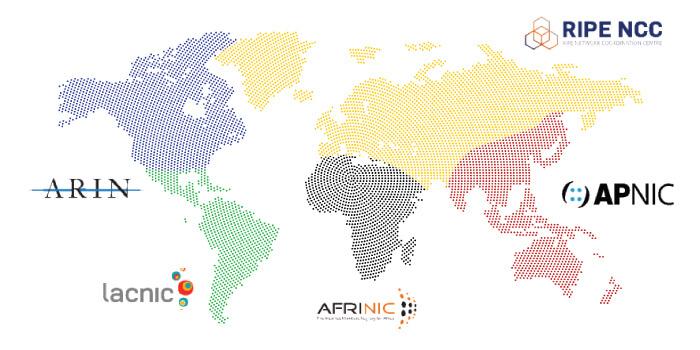
IP addresses are allocated by the Internet Assigned Numbers Authority (IANA), and then distributed among the Regional Internet Registries (RIRs), who in turn delegate them to Internet Service Providers (ISPs) and organisations.
IP addresses are essential for establishing connections between devices on the internet, and these addresses can be grouped into larger ranges. One way to classify IP address blocks is by geolocation, which can be useful for a variety of purposes ranging from security to marketing. These geographical IP address ranges can be further aggregated into major blocks by country, and such blocks can provide valuable insights about internet usage patterns, infrastructure, and regulatory frameworks.
What Country has The Most IP Addresses?
The largest IP address block by country is currently held by the United States, with more than 1.2 billion IPv4 addresses assigned to it. This is followed by China, with over 700 million addresses, and Japan, with over 200 million. Germany, the United Kingdom, and France round out the top six, with approximately 100 million addresses each. These countries have significantly larger IP address ranges than the others, reflecting their size, population, and level of internet penetration.
Other countries with large IP address ranges include Brazil, Russia, India, Australia, and Canada, each with tens of millions of addresses assigned to them. These countries are typically among the top internet users and may have a significant online presence in various industries. It is also worth noting that many small countries and island territories have relatively large IP address blocks, often due to hosting and data centre operations that use these jurisdictions for legal and tax benefits. You can check this link to get more information about each country's IP ranges database.
How Does Distributing IP Address Blocks By Countries Affect Security and Privacy?
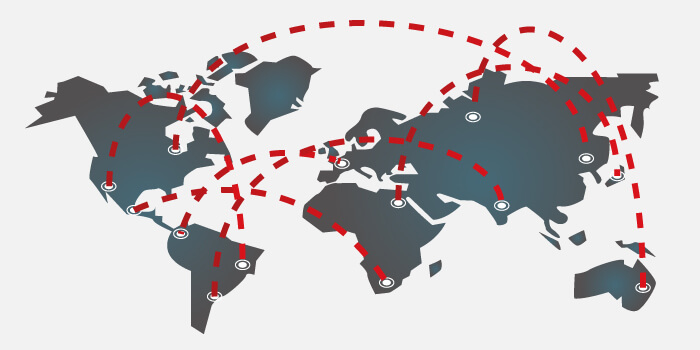
IP address blocks by country can have a significant impact on internet security and online privacy. Here are a few ways:
- Preventing cyber-attacks: By blocking IP addresses from countries known for cyber-attacks and malicious activities, organisations can reduce the risk of their systems being compromised.
- Geo-restriction: Blocking IP addresses from certain countries can help organisations comply with privacy regulations and prevent data breaches. For instance, if an organisation operates in the EU, It may need to block access to Its website from countries outside the EU to comply with GDPR regulations.
- Online censorship: Governments may block IP addresses from certain countries to restrict access to specific websites or services.
- Increased privacy: Blocking IP addresses from certain countries can help individuals protect their online privacy by reducing the risk of their information being tracked or monitored by foreign governments or agencies.
- Unintended consequences: However, IP address blocks can also have unintended consequences, such as preventing legitimate users from accessing services or websites that they need. For example, someone travelling abroad may be unable to access their online banking or email if their IP address is blocked by the service provider.
The distribution of IP addresses by country also reflects the regulatory frameworks and policies in place. For example, countries with strict internet censorship or surveillance may have more centralised control over IP addresses, while those with more relaxed regulations may have a more decentralised allocation process. Additionally, some countries may prioritise IPv6 adoption and have larger ranges assigned for this purpose, as IPv6 offers significant improvements in addressing and routing compared to IPv4.
In conclusion, major IP address blocks by country offer valuable insights into internet usage, infrastructure, and regulation. While some countries have significantly larger ranges than others, the distribution of IP addresses can also reflect broader socio-economic and political factors. Understanding these blocks and their underlying trends can enable more informed decisions and strategies for businesses, governments, and individuals alike who rely on the Internet for communication, commerce, and information sharing.