



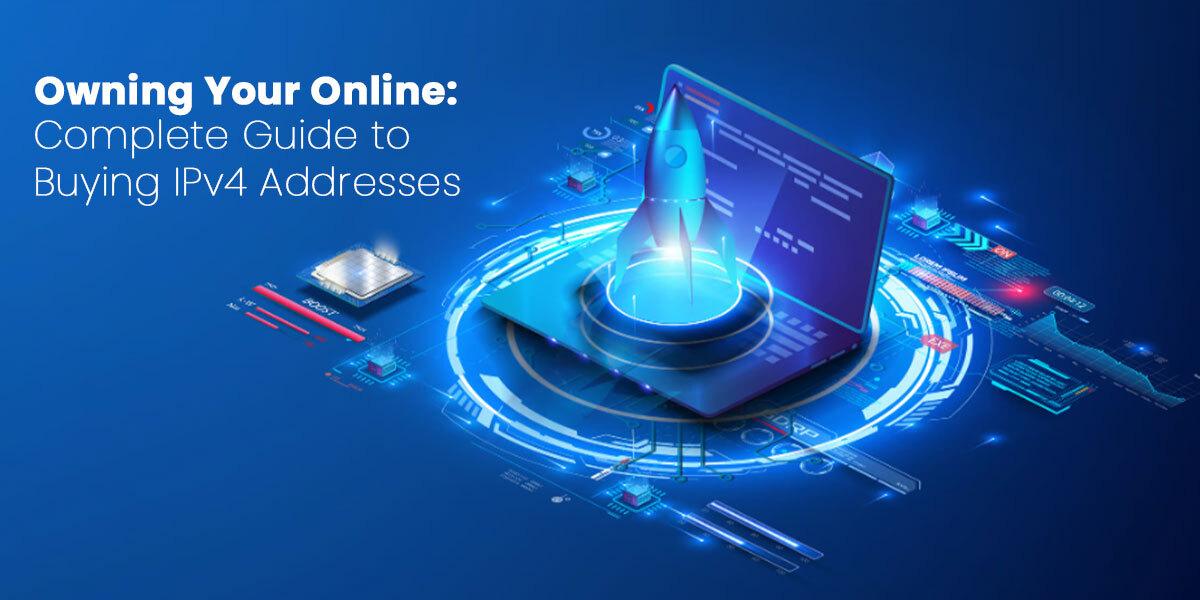
In the vast digital landscape that we traverse daily, IP addresses play a pivotal role in connecting us to the World Wide Web. But have you ever wondered, in a world where you can purchase almost anything online, can you buy an IP address?
The answer is not as straightforward as adding an item to your virtual cart, and the intricacies of IP address ownership are shrouded in mystery. In this article, we'll delve into the nuances of acquiring an IP address, exploring the possibilities, legal aspects, and implications of such a purchase.
Understanding the Basics: What is an IP Address?
Before embarking on the quest to buy an IP address, it's crucial to grasp the fundamentals. An IP address, short for Internet Protocol address, is a numerical label assigned to each device participating in a computer network that uses the Internet Protocol for communication. It serves two primary functions: identifying the host or network interface and providing the location of the host in the network.
There are two types of IP addresses: IPv4 and IPv6. IPv4, the older version, uses a 32-bit address scheme, while IPv6, the newer version, boasts a 128-bit address scheme. As the demand for IP addresses surges, the question of whether you can buy one becomes more pertinent.
The Perplexity of Buying an IP Address
In the maze of the internet, the idea of purchasing an IP address might seem enticing, akin to claiming your slice of the digital realm. However, the reality is not as simple as buying a new gadget. IP addresses are not tangible commodities that can be owned in the traditional sense. Instead, they are allocated and managed by regional Internet registries (RIRs) on a global scale.
Who Holds the Power: Internet Service Providers (ISPs) and Dynamic IP Addresses
When you sign up for an internet service, your ISP assigns you an IP address. In most cases, this address is dynamic, meaning it can change periodically. The dynamic nature of these IP addresses is a cost-effective solution for ISPs, allowing them to efficiently manage their pool of addresses without running out.
If you're pondering the possibility of buying an IP address, it's essential to recognize that the control lies with the ISPs. They have the authority to allocate, revoke, and reassign IP addresses to their customers. This dynamic allocation model complicates the notion of purchasing a specific IP address for personal or business use.
Static IP Addresses: A Different Ball Game
While dynamic IP addresses are the norm, static IP addresses add a layer of complexity to the purchasing scenario. Unlike their dynamic counterparts, static IP addresses remain constant. Businesses often opt for static IPs for hosting websites, running servers, or accessing remote security cameras.
Acquiring a static IP address involves working closely with your ISP. Some providers offer static IPs as part of premium packages, allowing users to have a fixed online presence. However, this isn't a straightforward purchase but rather a service add-on with associated costs.
The Legal Landscape: Can You Really "Own" an IP Address?
The perplexity deepens when we consider the legalities surrounding IP address ownership. In essence, IP addresses are leased rather than owned. When you sign up for internet service, you enter into an agreement with your ISP to use their IP addresses for communication. This lease agreement is subject to the terms and conditions outlined by the ISP.
Attempting to buy an IP address outside the framework of your ISP's policies can lead to legal repercussions. IP addresses are valuable resources, and their allocation is regulated to prevent hoarding and ensure fair distribution. Engaging in unauthorized transactions related to IP addresses can violate the terms of service and result in severe consequences.
The Burstiness of the Black Market: Dark Corners of IP Address Trading
While the legal route involves working within the established system, a shadowy black market for IP addresses also exists. In the underbelly of the internet, individuals and entities engage in clandestine transactions, trading IP addresses like contraband.
However, treading into the dark corners of the IP address black market is not for the faint-hearted. It involves navigating through legal minefields, risking severe consequences, and exposing yourself to potential scams. Moreover, the addresses obtained through illicit means may be flagged and rendered useless by ISPs.
Conclusion: Navigating the Complex Terrain of IP Address Acquisition
In the ever-evolving landscape of the internet, the notion of buying an IP address presents itself as a perplexing puzzle. While the dynamics of dynamic IP addresses and the stability of static IPs offer varying options, the legal and ethical considerations cannot be overstated. Rather than attempting to circumvent the established systems, it is advisable to work within the framework provided by ISPs and adhere to legal channels for obtaining static IP addresses.
In the end, the question of whether you can buy an IP address is met with complexities and legal nuances. Understanding the intricacies of IP address allocation, dynamic and static models, and the potential risks associated with the black market provides a comprehensive view of the terrain. As we continue to surf the digital waves, let us navigate with awareness, respecting the rules that govern the vast virtual expanse.
FAQs
1. Can I buy a specific IP address online?
No, you cannot buy a specific IP address online in the traditional sense. IP addresses are managed and allocated by regional Internet registries (RIRs) and Internet Service Providers (ISPs). While you can request a static IP from your ISP, it is typically part of a service package rather than an individual purchase.
2. Are there legal consequences for buying IP addresses on the black market?
Yes, engaging in transactions related to IP addresses outside of legal channels can have severe legal consequences. It violates the terms of service with your ISP and may result in legal action. The black market for IP addresses is fraught with risks, including scams and the potential for addresses to be flagged by ISPs.
3. Why do businesses opt for static IP addresses?
Businesses often choose static IP addresses for stability and consistency. Static IPs are ideal for hosting websites, running servers, and accessing remote security cameras. They provide a fixed online presence, crucial for business operations.
4. Can I sell my IP address if I no longer need it?
In most cases, you do not own your IP address; it is leased from your ISP. Selling or transferring an IP address without the involvement of your ISP is typically not allowed and can lead to legal consequences. Check with your ISP for their specific policies.
5. Can I use a VPN to change my IP address?
Yes, using a Virtual Private Network (VPN) allows you to mask your original IP address and appear as if you are browsing from a different location. However, keep in mind that you are not buying or owning a new IP address with a VPN; you are temporarily borrowing one from the VPN provider